Four seasons in one ride: tips to keep you riding outdoors this autumn and winter
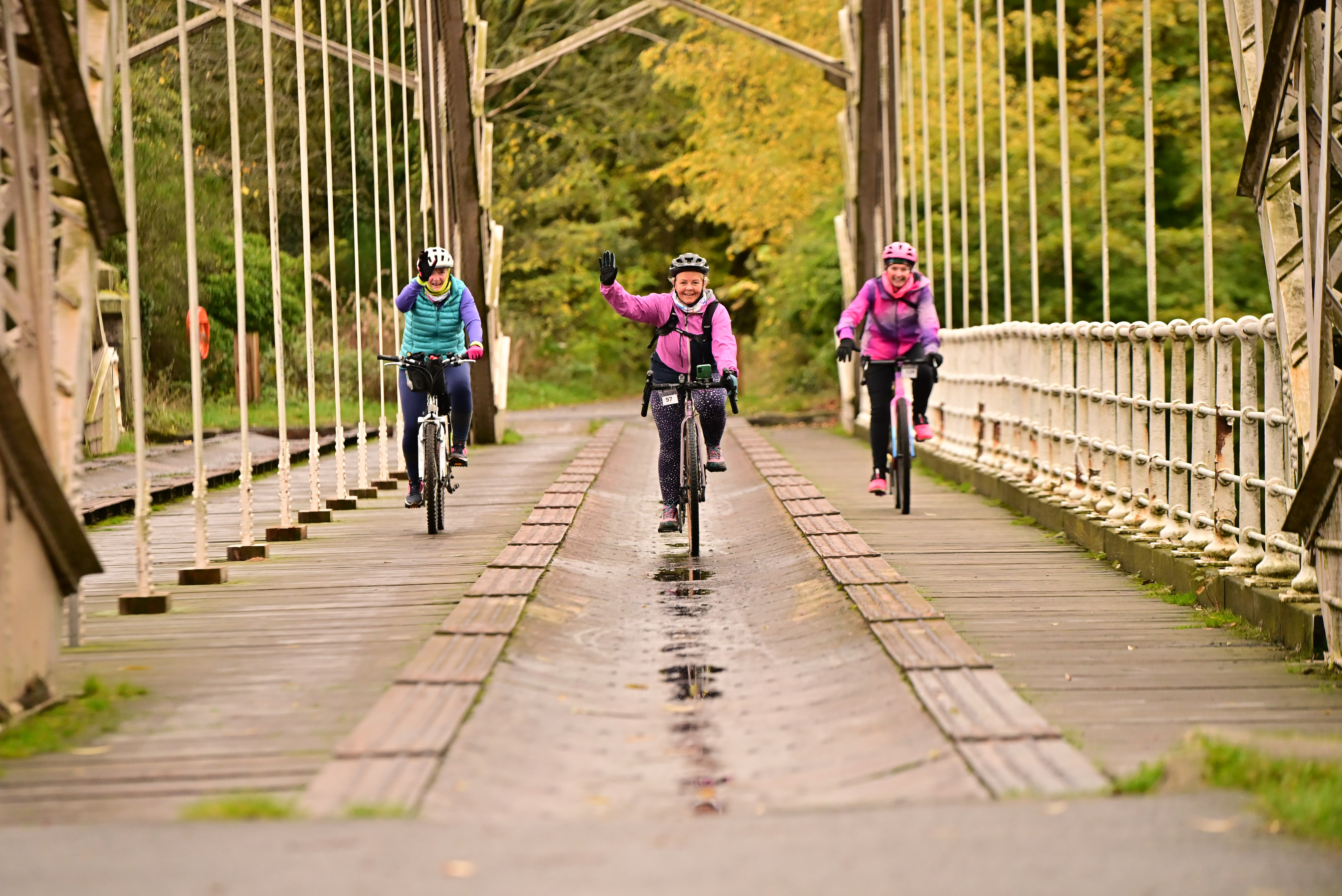
Last weekend I rode the 50k route at Northumberland Epic Gravel, the first running of this Wild Deer event, and I loved it. The route was really well planned, the whole day ran smoothly, and for a first outing it set a seriously high bar. Bring on part two.
I'm Charlie from The Bike Fitters, and I've been lucky enough to work alongside Wild Deer this year, exhibiting at the Derwent Reservoir Duathlon, the Derwent Reservoir Triathlon and Geordieman. What I like most about their events is that they're never complicated, flashy or exclusive. They're friendly, welcoming, well thought out and properly organised, and that's exactly why I'm looking forward to supporting, racing and riding with them again next year.
With the clocks gone back and the mornings getting colder, here are my tips to keep you riding outdoors through autumn and winter: four essentials, a couple of bonus habits, and some cheap hacks that have got me out of a jam more than once.
Layer up
Autumn and winter rides often start on a cold morning and warm up as the day goes on, and in Northumberland you can easily get four seasons in one ride. Rather than one big heavy jacket, wear layers you can take off and put back on as things change.
Good layering pieces:
• Arm warmers and leg warmers (or knee warmers)
• A buff and a thin hat that fits under your helmet
• Gloves, and maybe a second, thinner pair
• A thermal base layer
• A light, packable rain jacket that folds into a jersey pocket
The trick is making each layer easy to change on the move, so you're never stuck too hot on a climb or freezing on the descent.
Change your lenses
The light changes a lot in winter: low sun, dark woods, grey afternoons and early sunsets. Your summer sunglasses might not be the right choice any more.
Many sunglasses come with spare lenses, so it's worth checking what yours have. Clear lenses are great for dull days. Yellow or pink tinted low-light lenses can help at dusk, especially with car headlights coming towards you. Photochromic lenses, which adjust to the light, cost a bit more but save you swapping halfway through a ride.
Whatever you choose, make sure the lenses are UV-rated. Cheap tinted lenses without UV protection can do more harm than good to your eyes.
Fit some mudguards
Mudguards come in all shapes and sizes, and the right ones depend on your bike and your tyre size. For road riding, I'd always recommend a properly fitted, full-length set that stays on the bike all winter.
Yes, they arguably make a bike look a bit less pretty. But they keep you drier, and they're kinder to everyone else. If you ride in a group, nobody wants to sit behind the person with no rear mudguard, spraying the whole bunch in the face.
For gravel and off-road, it's more of a case-by-case decision. On my gravel bike I use an Ass Saver, a small clip-on guard that comes in front and rear versions and in short and long lengths. I usually ride gravel on my own and expect to get muddy anyway, so it just takes the edge off.
Most mudguards are fairly easy to fit yourself. If you're not sure, your local bike shop will happily help. Look after them and they'll last you for years.
Lights, always
Run front and rear lights through autumn and winter, even on a bright day. Low winter sun makes it hard for drivers to see you, and as soon as you ride into a wood or a shaded lane, you can go from visible to invisible in seconds. You might be able to see fine, but that doesn't mean cars can see you.
The light also goes quickly. If you haven't checked the sunset time or the forecast, or it clouds over, a ride can turn dark and miserable fast.
There are lots of options:
• A mix of flashing and solid lights
• Rear radar lights that pair with your bike computer and warn you when a car is coming up behind
• Lights that brighten when you brake, like a brake light
• Neat, streamlined lights that sit flush on the bike
Pick what gives you the confidence to ride, with the aim of being seen as much as possible.
Extra top tip: keep them charged. There's nothing worse than getting all your layers on, wheeling the bike out, and finding your lights are flat. Make it a habit: as soon as you get home, put them on charge so they're ready for next time.
Bonus tips
Make it a gravel winter
This isn't a must, but if you have a gravel bike, think about making it your winter bike. Wider tyres at lower pressures give you more grip and a comfier ride on wet, gritty roads, and you can take it off-road when the lanes get muddy. Keep your shiny summer bike tucked away in the shed until spring.
The three-minute wash
Winter roads are full of mud, salt and grit, and it all ends up in your drivetrain, on your frame and in your headset. Left there, it wears parts out fast.
The fix is a quick routine as soon as you get back:
Before you go inside or get changed, give the bike a quick rinse with the hose. You don't need a pressure washer.
Get the salt, grit and grime off the frame and drivetrain, then lube the chain (or re-wax it if you run a waxed chain).
Lights on charge, bike back in the shed, and you're inside.
About three minutes, and there are loads of quick winter bike-wash videos online if you want a guide. Do it regularly and it'll save you money on replacement parts down the line.
Cheap hacks for staying warm
Warm toes (without the numbness)
An old trick: slip a small freezer bag over your sock, or wrap a bit of tin foil around your toes, before your foot goes into the shoe. It adds a surprising amount of warmth.
But here's the bike fitter in me talking. A lot of people get numb toes in winter and assume it's the cold. Often it's actually the thick winter socks squeezing their feet inside slim summer cycling shoes. That pressure can cause numbness on its own. If your shoes feel tight with winter socks, keep your normal socks on and put a neoprene overshoe over the top instead.
Builders' gloves
Lost your winter gloves, or need a cheap backup pair? Head to Screwfix or a similar trade shop and pick up some fleece-lined, semi-waterproof work gloves. They're warm, grippy and about £15. They won't win any style awards, but a plain black pair will get you out of a jam.
Base layers don't have to be cycling-specific
A thermal base layer from any outdoor shop, whether it's for walking or everyday wear, will do the job for around £10. A cycling-specific one will have stretch in the right places and fit better on the bike, so it's worth it if you can. But if you're on a budget and just want to get out of the door, a non-cycling one will still keep you warm.
A hot drink in your bottle cage
On really cold days I ride with a small 330ml flask that fits in a bottle cage. Tea, coffee or hot squash with a bit of sugar all go in. Hot electrolytes are a thing too: some brands, like Skratch Labs, say you can simply mix their hydration powder with hot water instead of cold. And of course, there's always a café stop.
See you out there
Winter riding doesn't need to be fancy or expensive. A few layers, the right lenses, mudguards, charged lights and a quick wash when you get home will keep you riding happily until spring.
Thanks again to the Wild Deer team for a brilliant Northumberland Epic Gravel. I'm looking forward to the next one, and to seeing lots of you at Wild Deer events in 2027.
If winter riding is leaving you with numb toes, an aching back or sore hands, come and say hello at the next event, or get in touch with us at The Bike Fitters.
Charlie Horgan-Dunne, The Bike Fitters – Newcastle, Northumberland and County Durham